
French Bob
Short, soft, and intentionally compact, often worn with natural texture or a fringe.
- Length:
- Lip to chin
- Shape:
- Softly blunt or lightly textured
- Good starting point for:
- A distinct short-bob look
Thinking about getting a bob? Explore popular bob variations, see which ones may suit your face shape and hair type, and try a bob haircut on your own photo before you cut it.
1. Upload portrait
Your hairstyle preview
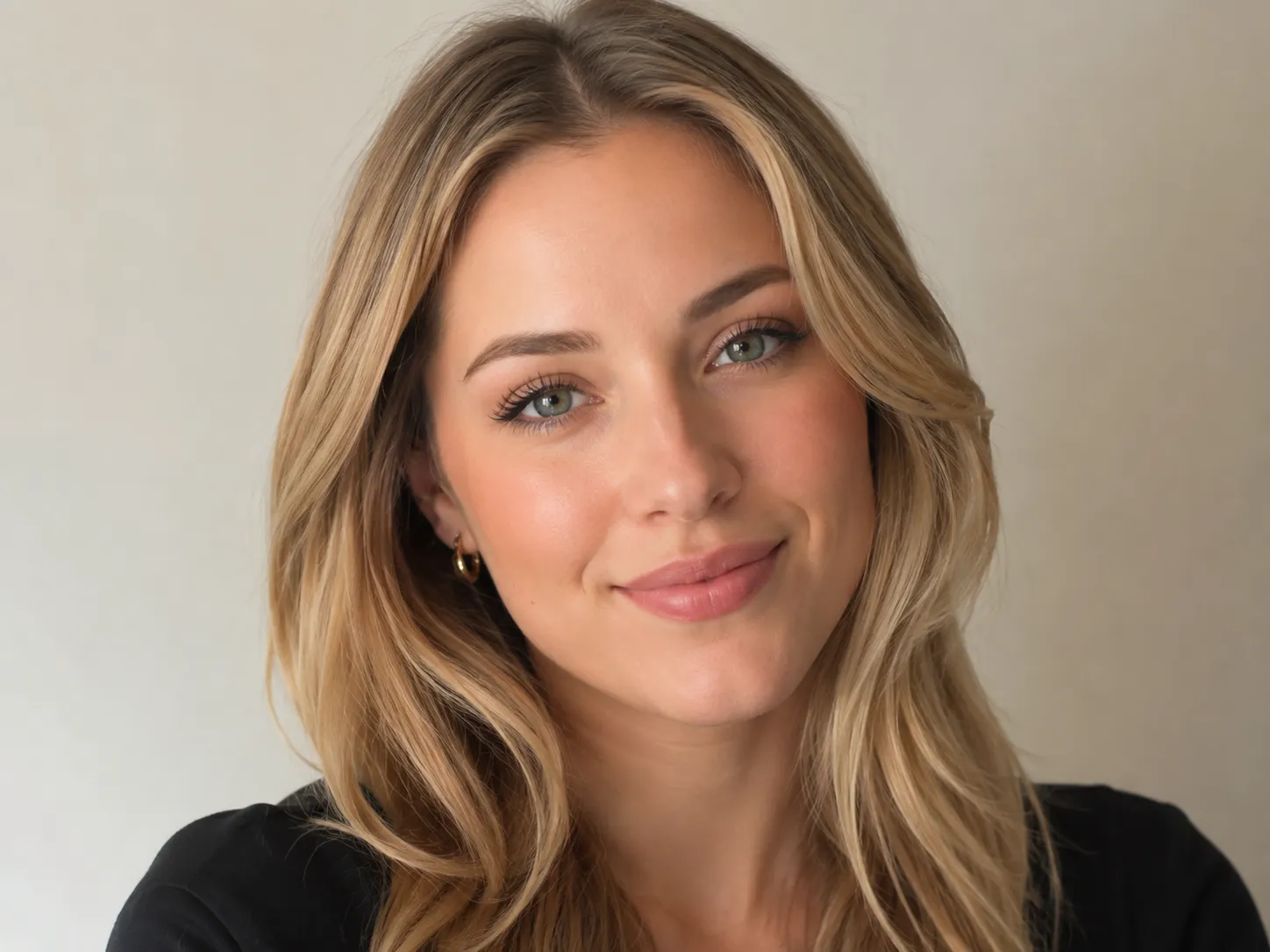 Before
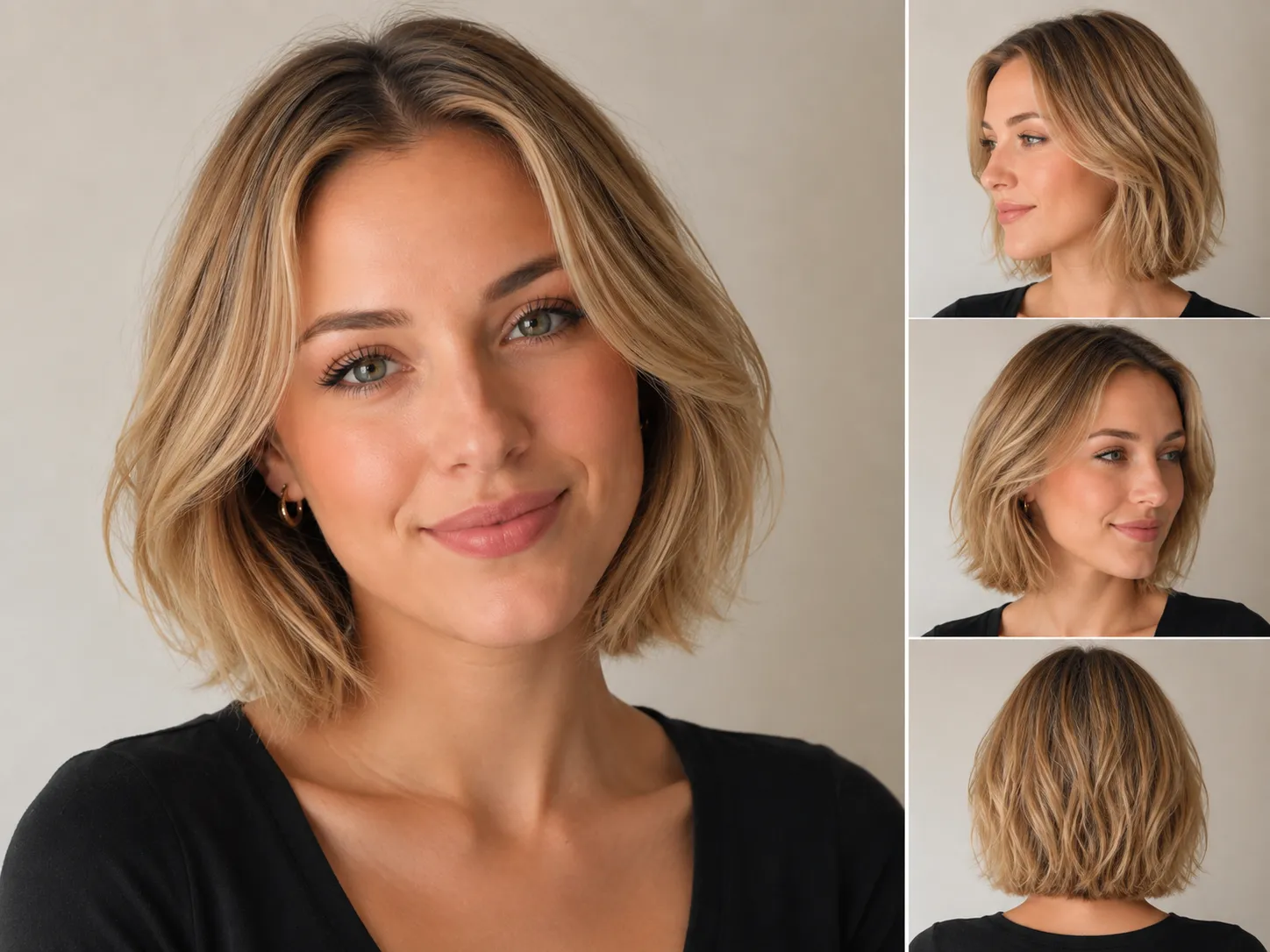 After
AfterYour AI hairstyle previews will appear here.
Choose a mode
2. Choose a bob style
8 stylesA bob is a short-to-medium haircut defined by its outline and where the ends fall. A classic bob usually sits around the jaw, while longer versions can reach toward the shoulders. The perimeter may be blunt and graphic, softly textured, angled longer toward the face, or shaped with internal layers. That flexibility is why French, chin-length, A-line, inverted, layered, curly, and shoulder-length bobs can look quite different while belonging to the same haircut family. A lob, short for long bob, normally falls around the shoulders or collarbone. It keeps more length and may still tie back, so it is often a lower-commitment starting point for someone who is unsure about going short. Face shape matters, but hair texture, density, natural growth pattern, and the amount of styling you want to do are just as important.
Most bobs finish between the jaw and shoulders.
The perimeter can be blunt, angled, rounded, or softly textured.
A lob keeps the bob shape at a longer shoulder or collarbone length.
Start with the length you are comfortable with, then compare the outline, layers, texture, and upkeep.
Short, soft, and intentionally compact, often worn with natural texture or a fringe.
A precise one-length perimeter creates a clean, polished shape.
The safer first step if you want a bob shape without losing too much length.
The ends meet the chin, making the jawline a clear part of the silhouette.
A shorter back and longer front create a forward-moving silhouette.
Internal or visible layers reduce weight and add movement to the outline.
The bob outline is shaped around curl pattern, volume, and shrinkage.
A fringe changes how the bob frames the forehead, cheekbones, and eyes.
A face shape does not rule a bob in or out. The useful question is where the ends sit and what visual line the cut creates.
Try a bob that finishes below the widest part of the cheeks, or compare an A-line shape with a longer front.
Compare a softly layered or slightly longer bob if you do not want a blunt line to emphasize the jaw.
A chin-length bob, side volume, or fringe can create a shorter and wider visual balance.
Use the try-on to compare where the ends and fringe draw attention around the chin and cheekbones.
The same reference photo can behave very differently on fine, thick, straight, wavy, or curly hair.
A blunt perimeter can help the ends look denser. Too many layers may remove weight you want to keep.
Internal layers can remove bulk while preserving the visible bob outline.
A softly textured or layered bob can work with movement instead of requiring a rigid finish.
Plan the finished length around shrinkage and ask a stylist how the shape will sit when dry.
Use the preview to compare shape and proportion before discussing the cut with a stylist.
Choose a front-facing photo where your face outline and current hair are visible.
Compare different lengths, perimeters, layers, curls, and bangs.
Each selected bob creates a separate preview using the existing hairstyle generator.
Use the result as a planning reference, not a guarantee of the final salon result.
Useful details to consider before choosing a length and booking a cut.
Upload a portrait, compare bob lengths and shapes, and save a preview for your haircut conversation.